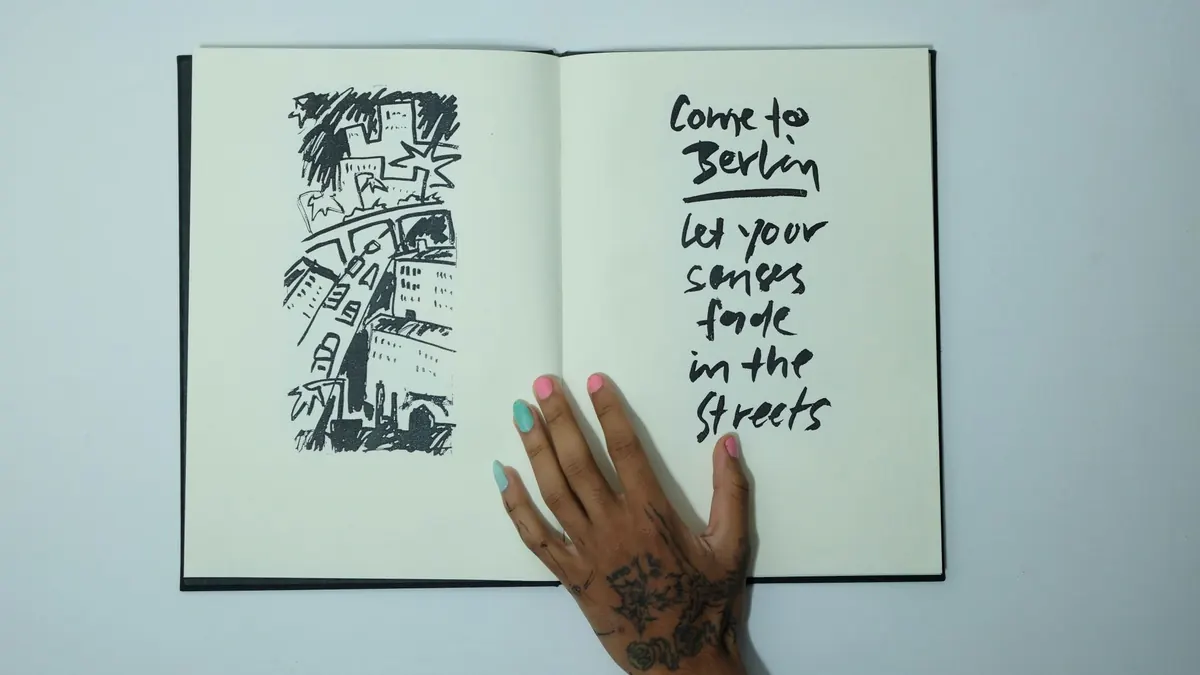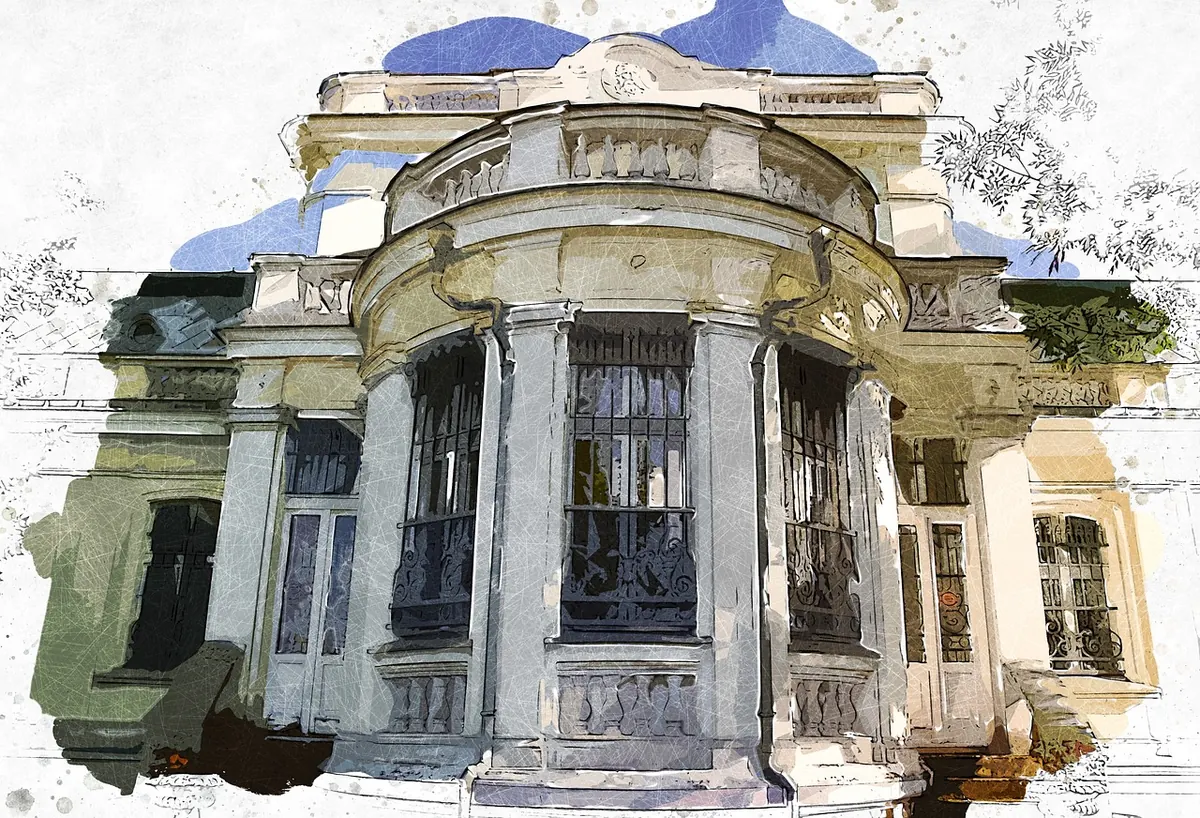
Thirty days, thirty buildings. It sounds modest until you are standing on a wet pavement on day nineteen, trying to work out whether the cornice really is that thick. The first week is easy: enthusiasm carries you, and your local high street has plenty to offer. Week three is where the challenge earns its keep. By then you have drawn the three buildings you actually like and you have to look harder at everything else. That is the point. This is not a competition to produce thirty fine drawings. It is a way of making sketching in public feel ordinary.
Why one building a day works
Most people who want to sketch their town get stuck in the same place. They wait for a good subject, a free afternoon and the nerve to draw where strangers can see them. A daily building prompt removes all three excuses at once. Buildings are patient subjects: they do not stretch, sneeze or wander off, which makes them ideal for practising from life.
The repetition matters more than any single drawing. Sketch twenty shopfronts and you stop copying detail and start noticing structure — how a fascia sits beneath the first-floor windows, how a roofline steps down a hill, how the rhythm of glazing changes between a Victorian terrace and a 1960s parade. That visual vocabulary is what makes later sketches look assured rather than tentative.
Setting the challenge up before day one
Decide your own rules now, because you will be renegotiating with yourself later. A few sensible ones:
- Keep the kit small. An A5 sketchbook, one pen and one pencil will do. If you carry watercolours, take a pocket set rather than the whole tin.
- Cap the time. Twenty to thirty minutes is plenty. Longer sessions are for weekends.
- Pick a regular slot. Lunchtime, the walk home, or the ten minutes before the shops shut. Habits stick when they attach to something you already do.
- Have two or three fallback locations. A bench, a café window seat and a covered doorway will save you on bad days.
- Stay out of the way. Do not block pavements or doorways, and move on if a shopkeeper asks. Most people are friendly if you are considerate.
The thirty prompts
Work through these in order, or shuffle them. If a prompt does not fit where you live, adapt it rather than skipping it.
- Your own front door
- The nearest corner shop
- A row of at least four houses
- A building you pass daily without looking at
- A place of worship
- A pub or café with a painted sign
- A building wrapped in scaffolding
- A tall block seen from below
- A doorway with steps
- A market hall or covered arcade
- A library, school or civic building
- A canal-side or riverside building
- A building reflected in a window
- A shop with a full window display
- A shed, greenhouse or small outbuilding
- A building seen through a gap between two others
- A station or transport building
- A building in the rain
- A building at dusk, with lights on
- A building drawn from a bench
- A house with an odd roof
- A chimney stack or rooftop clutter
- A warehouse, garage or workshop
- A hotel or guesthouse frontage
- A building you find ugly
- A building you love
- A building seen from above
- Outline only, no tone
- Tone only, no outline
- A building from memory, without looking
The twenty-minute method
Speed comes from sequence, not from rushing. Follow the same order every day and the drawings improve on their own.
Start with the box
Hold your pen up against the building and check the proportions before you commit. Is the façade taller than it is wide? By how much? Draw the outer shape lightly, then check the main verticals against the edge of your page. A slightly wrong box will ruin everything that follows, so spend the first three minutes here.
Place the features
Mark the big horizontals next: the pavement line, the floor divisions, the eaves, the ridge of the roof. Then add windows as simple rectangles. Resist drawing frames and glazing bars until the end, if at all.
Save the darks for last
Tone is what gives a building weight, so put it in once the structure is settled. Darken the underside of eaves, the recesses of doorways and the deepest shopfront shadows. Leaving the paper white for bright walls does more for a sketch than any amount of fussy detail.
When it goes wrong in public
Someone will look over your shoulder. Someone will ask whether you are an architect. The trick is to keep drawing and answer briefly; the conversation usually ends faster than you expect. If you feel conspicuous, sit with your back to a wall, use headphones, or draw from inside a café looking through the glass.
Weather is the other obstacle. Rain is not a reason to miss a day, just a reason to move: a bus shelter, an arcade or a doorway all work. On a truly grim evening, sketch from a window and count it. You are still drawing a real building, and the flat light teaches you about silhouette.
Reviewing the month
Once a week, spread the finished pages out and look at them together. You will spot patterns fast: windows shrinking as they rise, rooflines drifting downhill, a reluctance to draw anything above the first floor. Pick one recurring problem and make it your focus for the following week. Write the date, place and rough time taken beside each sketch — it is a small habit that turns a pile of drawings into a record you can actually learn from.
Day thirty-one and beyond
The day after the challenge, choose the building that defeated you and draw it again, larger and slower. Take an hour over it. The difference between the two versions will tell you more about your progress than any of the thirty daily sketches.
Then keep a lighter version of the habit going: one building a week, plus a longer session when you can find one. If you enjoyed the discipline of a set list, our other sketching challenges follow the same principle — short, specific prompts that get you drawing before your inner critic has time to object. Whatever you do next, keep the sketchbook in your bag. The buildings are not going anywhere, and neither, now, is your confidence in drawing them.
Photo: ArtTower / Pixabay